



Online stores and e-commerce

Every store platform handles products, a cart and a checkout. None of them handles the part that is specific to you — the delivery zones that change by season, the price that depends on quantity, the second language your customers actually shop in.

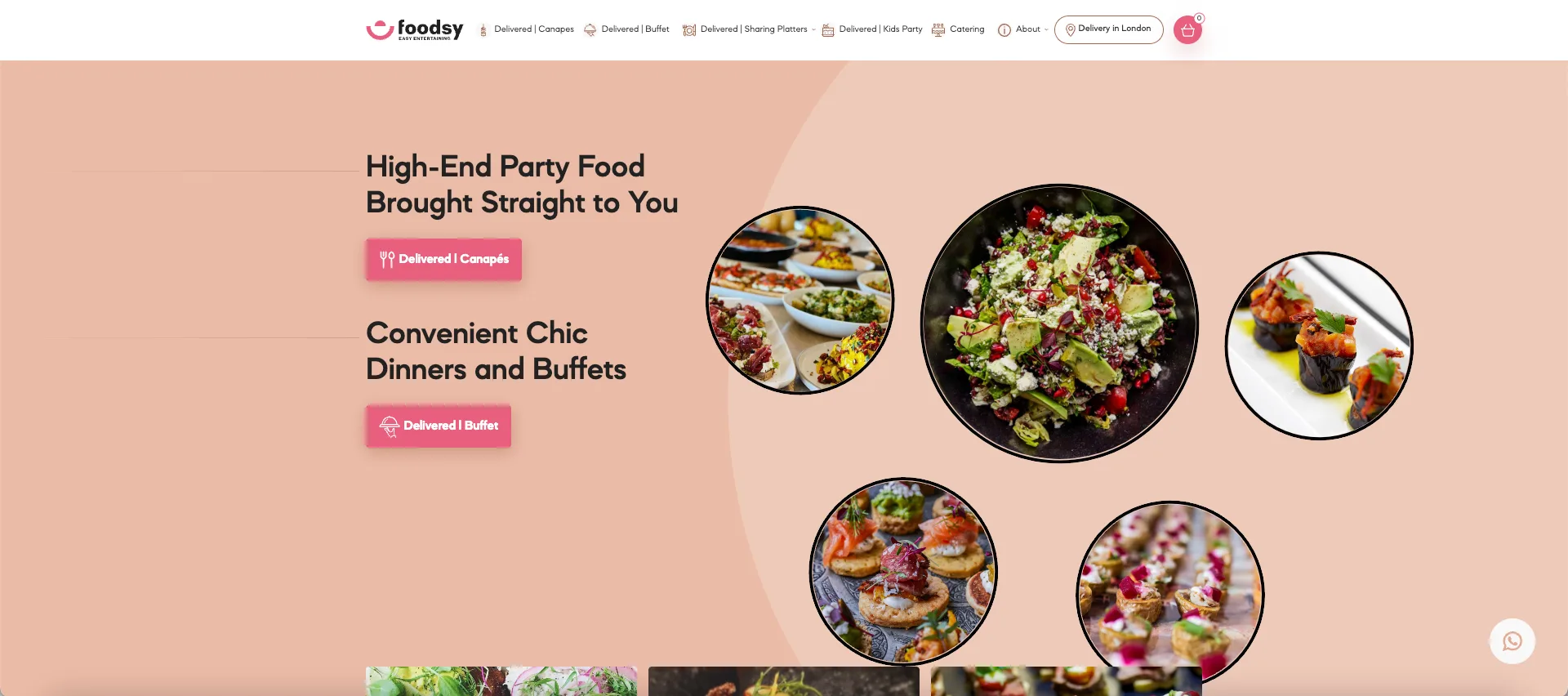
That is where store projects succeed or quietly fail. I have built a two-language fashion store on WooCommerce with accounts, payments and delivery options, a perfume store with filtering built from scratch, and a food delivery service where the owner reshapes delivery windows themselves.

Discuss project

What is different here

01

Filters are the navigation

In a catalogue of any size, filtering is how people actually shop. Which attributes are filterable has to be decided when the product data is structured, not bolted on after launch.

02

Your selling rules are the scope

Delivery windows, regional pricing, minimum orders, bundles. Write down your three most unusual rules before choosing a platform — if its documentation cannot answer all three, that is your answer.

03

Page weight is revenue

Product photography is the heaviest content on the web and stores carry the most of it. Serving images at the size they display is usually 60-70% off page weight, and it converts.

04

The second language is not a translation

It is duplicated product data, routing, currency, delivery rules and QA on every template. Budget it as a phase, not as a checkbox.

What a build includes

  • Catalogue with a product data structure designed around how you filter and sell
  • WooCommerce, or a custom build when your rules do not fit a platform
  • Payments connected and tested with real test orders — Stripe or your local provider
  • Delivery zones, time windows and rules you can change yourself
  • Customer accounts, order history and email notifications that actually arrive
  • Image pipeline and caching, so the store is fast on a phone with one bar of signal

Mistakes I see most often

  • Choosing the platform before writing down the unusual selling rules

  • Uploading photographs straight from the camera, then wondering why mobile is slow

  • A checkout that asks for registration before it will take an order

  • Filters added after launch, when the product data was never structured for them

  • No stock or availability honesty, so the site sells what you cannot ship

  • Delivery rules hard-coded, so changing a zone or a time slot needs a developer

Have a project in this field?
Let's talk about it

Tell me what the site has to do. You get an honest range the same day.

IconDiscuss project
decor

Questions

WooCommerce if your selling is conventional — it gives you catalogue, payments, delivery and invoices out of the box. Custom when your pricing, configuration or fulfilment rules would fight a platform every day.

Yes. Product data, URLs, customer accounts and order history all have to move, and every changed address needs a redirect or you hand back your search rankings. Treat it as a real project, not a switch.

Five to eight weeks. Catalogue structure, filters, payments, delivery rules and test orders all take real time, and the catalogue content is usually the thing that runs late.

From $1,500, typically $2,500-3,500 with catalogue, filters, payments and delivery configured. A second language adds roughly a week and its cost.