General
 September 2026
How to Improve a Restaurant Website: What Guests Actually Need
Almost every guest arrives on a phone, hungry, deciding between you and two others. They want the menu, the hours, the address and a way to book — in that order.


Restaurant websites are judged in about fifteen seconds, on a phone, by someone deciding where to eat right now. They want the menu, whether you are open, where you are, and how to book or order — in that order.
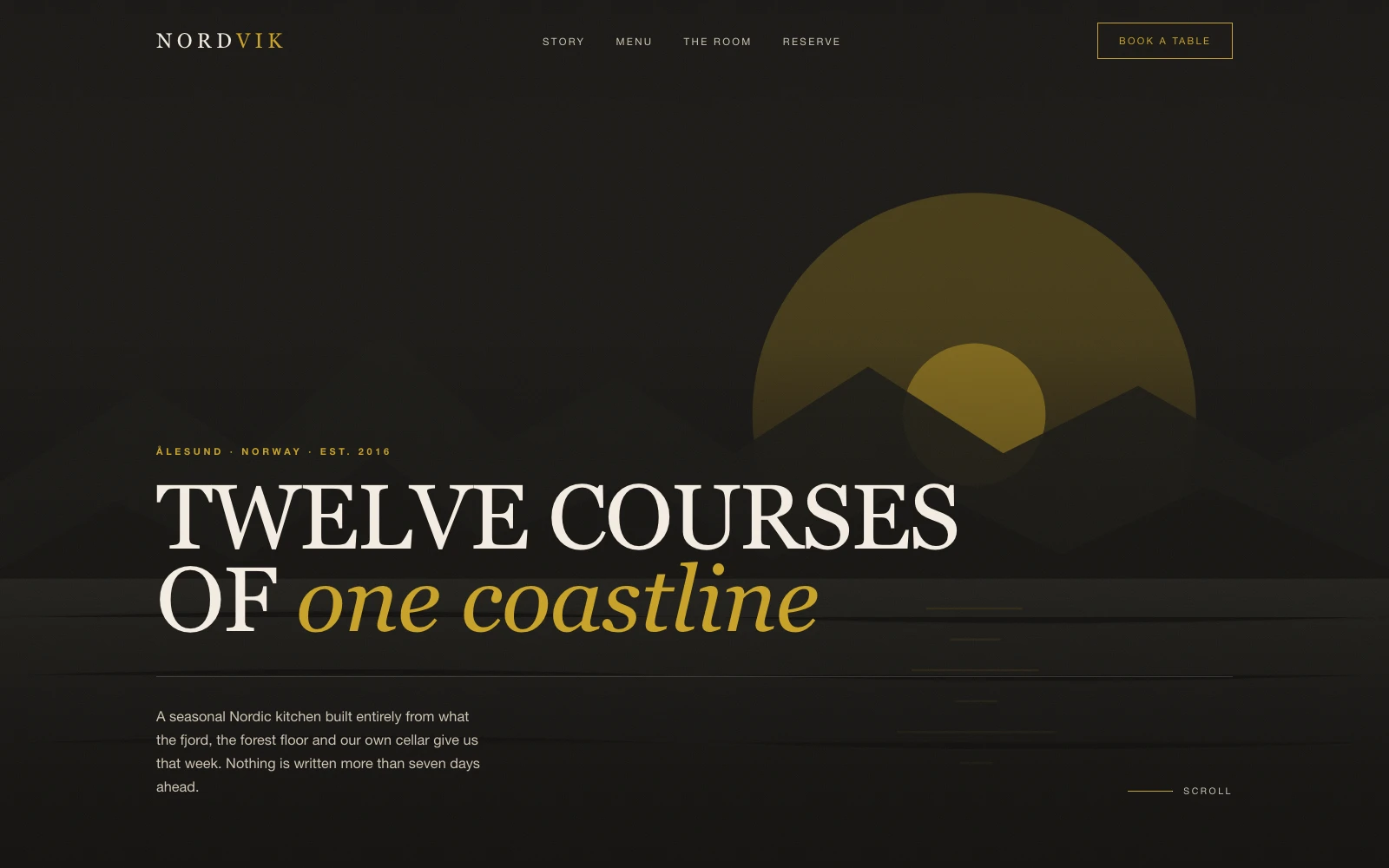
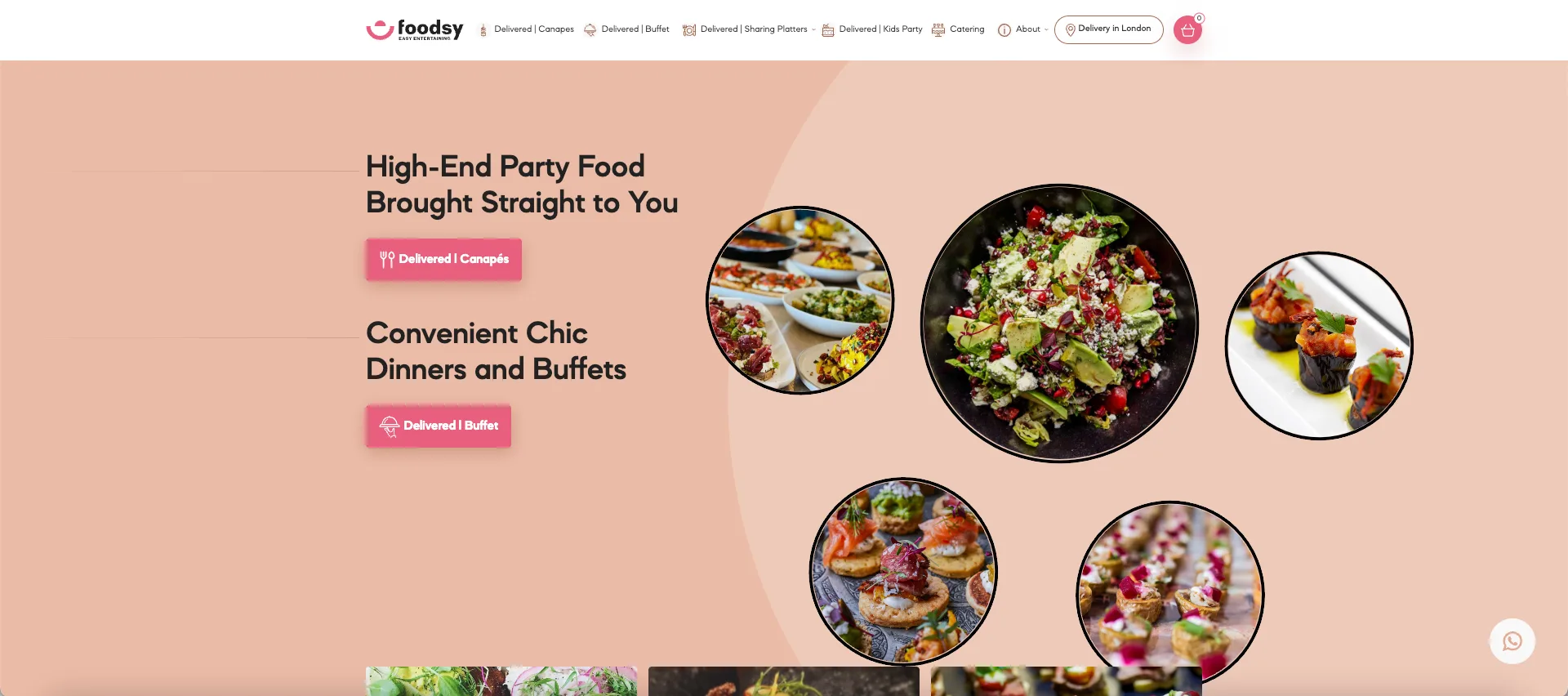
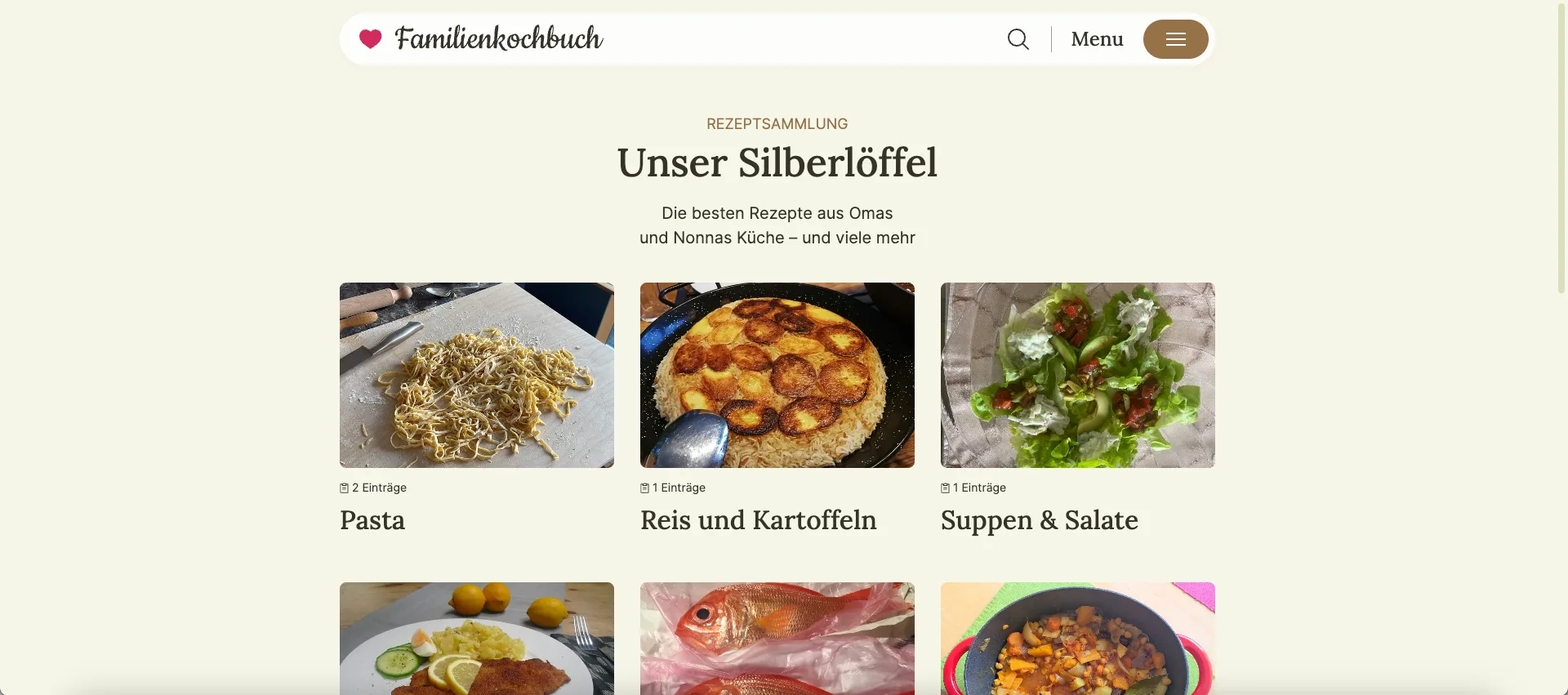
Most restaurant sites answer all four somewhere, but slowly: behind an intro animation, under a hamburger, or inside a PDF that has to be downloaded and pinch-zoomed. I have built a fine-dining restaurant site, a city food delivery store with Stripe and owner-controlled delivery windows, and a recipe project where the content structure was the whole job.
A PDF menu downloads slowly, opens in another viewer, needs pinch-zooming, and search engines cannot read it to match someone looking for what you serve. This single change does more than a redesign.
Not a weekly table the guest has to parse. "Open until 23:00 today" answers the question; a schedule grid makes them do the work.
Guests decide with their eyes. One proper session of the food you actually serve, on the plates you actually use, in a room with people in it — and then the file sizes controlled, because galleries are why restaurant sites are slow.
Seasons, holidays, delivery zones, sold-out dishes. If changing any of that needs a developer, the site quietly goes out of date — and wrong holiday hours cost a full service.
The menu as a downloadable PDF — the single most damaging thing on a restaurant site
An intro animation or autoplaying video before anything readable loads
A phone number that selects as text instead of dialling when tapped
The founder's story on the first screen instead of on its own page
Holiday and seasonal hours that were never updated
A booking form with no confirmation, so guests phone anyway or book elsewhere

Full-service website development includes: design, HTML coding, admin panel development, and SEO optimization. Ongoing website support is also provided. Check more inside.

WooCommerce and custom online stores where the catalogue, filters, payments and delivery rules match how you actually sell.

Professional blog development tailored to your brand — fast, responsive, and SEO-optimized for growth.
Tell me what the site has to do. You get an honest range the same day.
 Discuss project
If you deliver or do takeaway, ordering pays for itself. If you are a dining room, booking and a readable menu matter far more — ordering would be scope you do not use.
Yes, and you should. Prices change and dishes come off. A menu that needs a developer is a menu that goes out of date, and an out-of-date menu is worse than none.
It does more work than the website for discovery. Keep hours, photos and phone identical in both places — mismatched hours are a common and expensive error.
A single-page site with menu and booking starts around $600. A full site with ordering, delivery rules and payments is in online-store territory: from $1,500.
September 2026Almost every guest arrives on a phone, hungry, deciding between you and two others. They want the menu, the hours, the address and a way to book — in that order.
 September 2026
"Slow" is a symptom with five common causes, and they need completely different fixes. Ten minutes of measurement saves you from paying to solve the wrong one.