
SaaS and web applications

A software business is never one website. There is the product — accounts, state, data, things that break in ways a brochure site cannot — and there is the marketing site whose only job is to make a stranger understand the product before they lose interest.

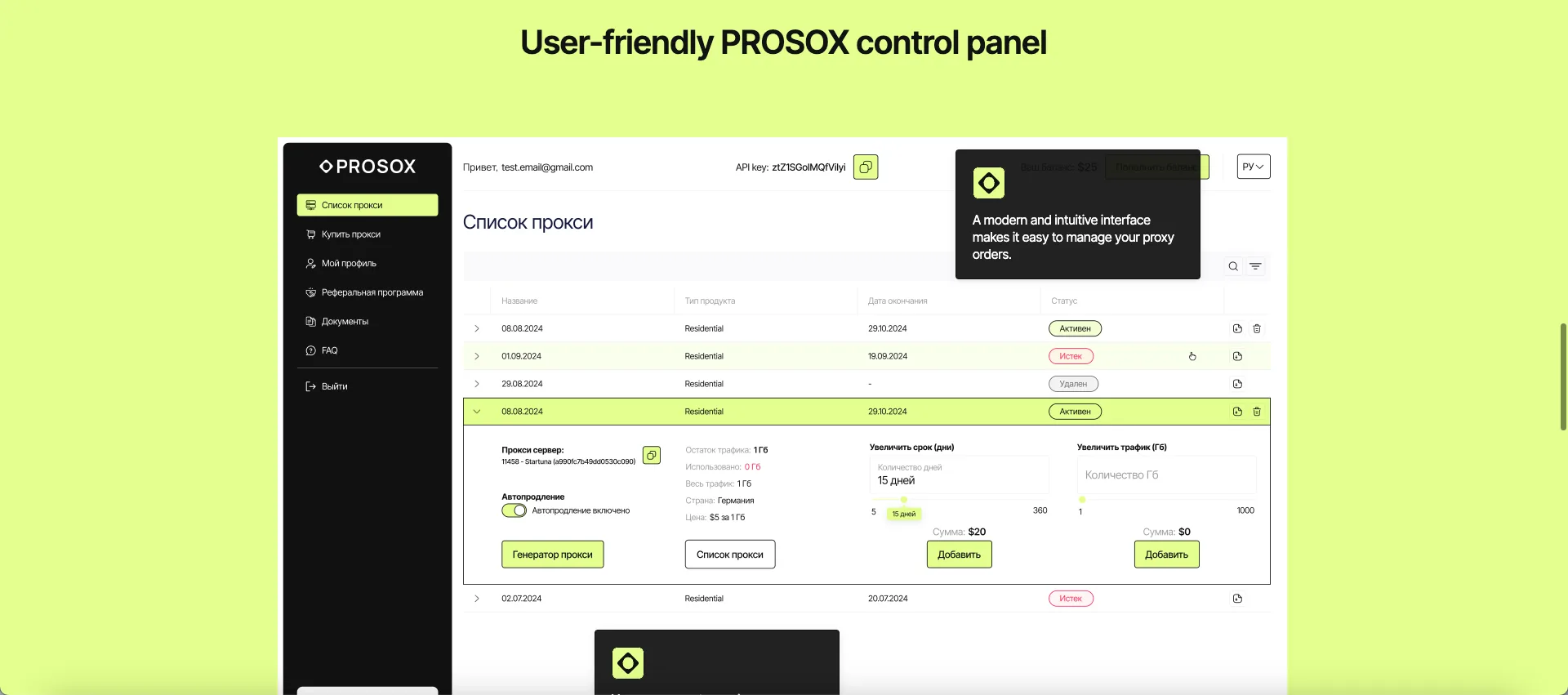
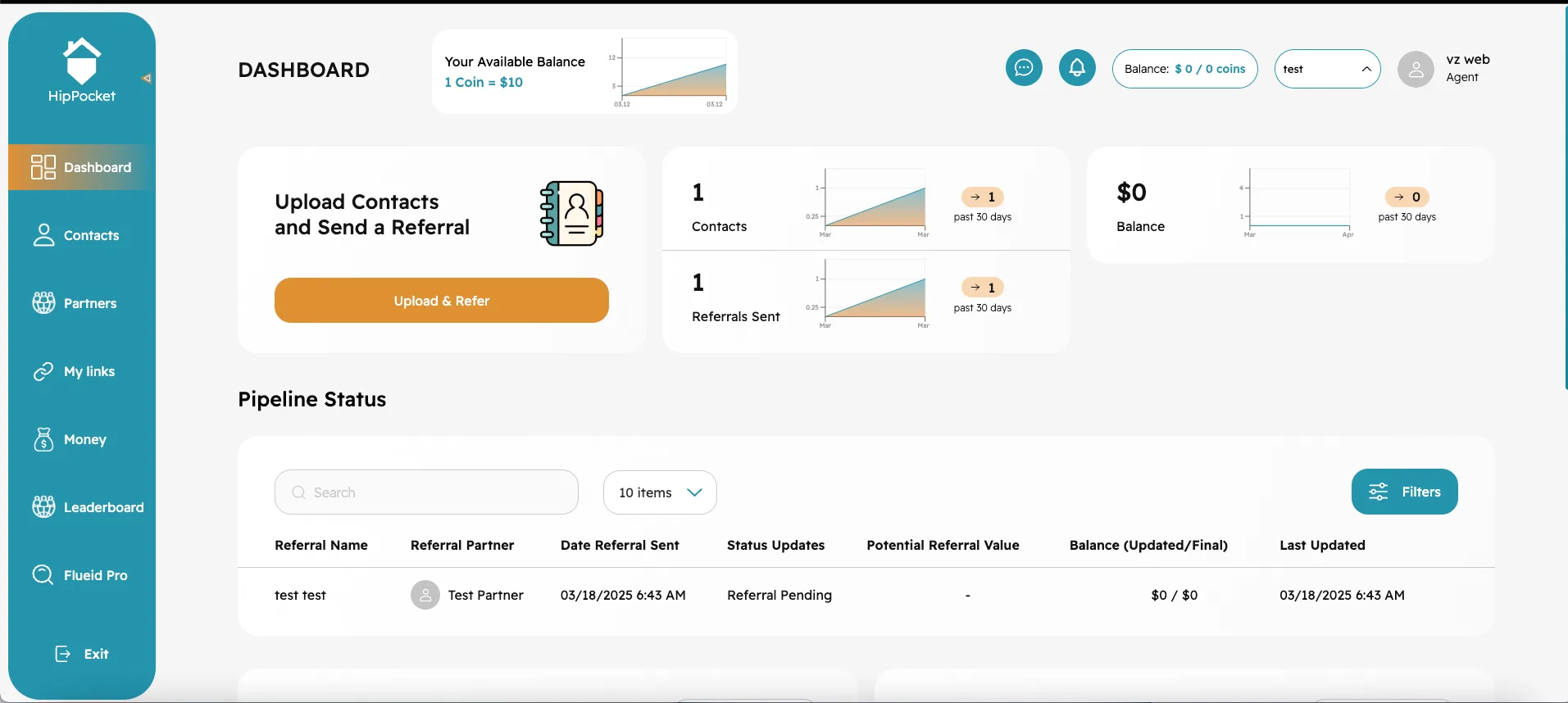
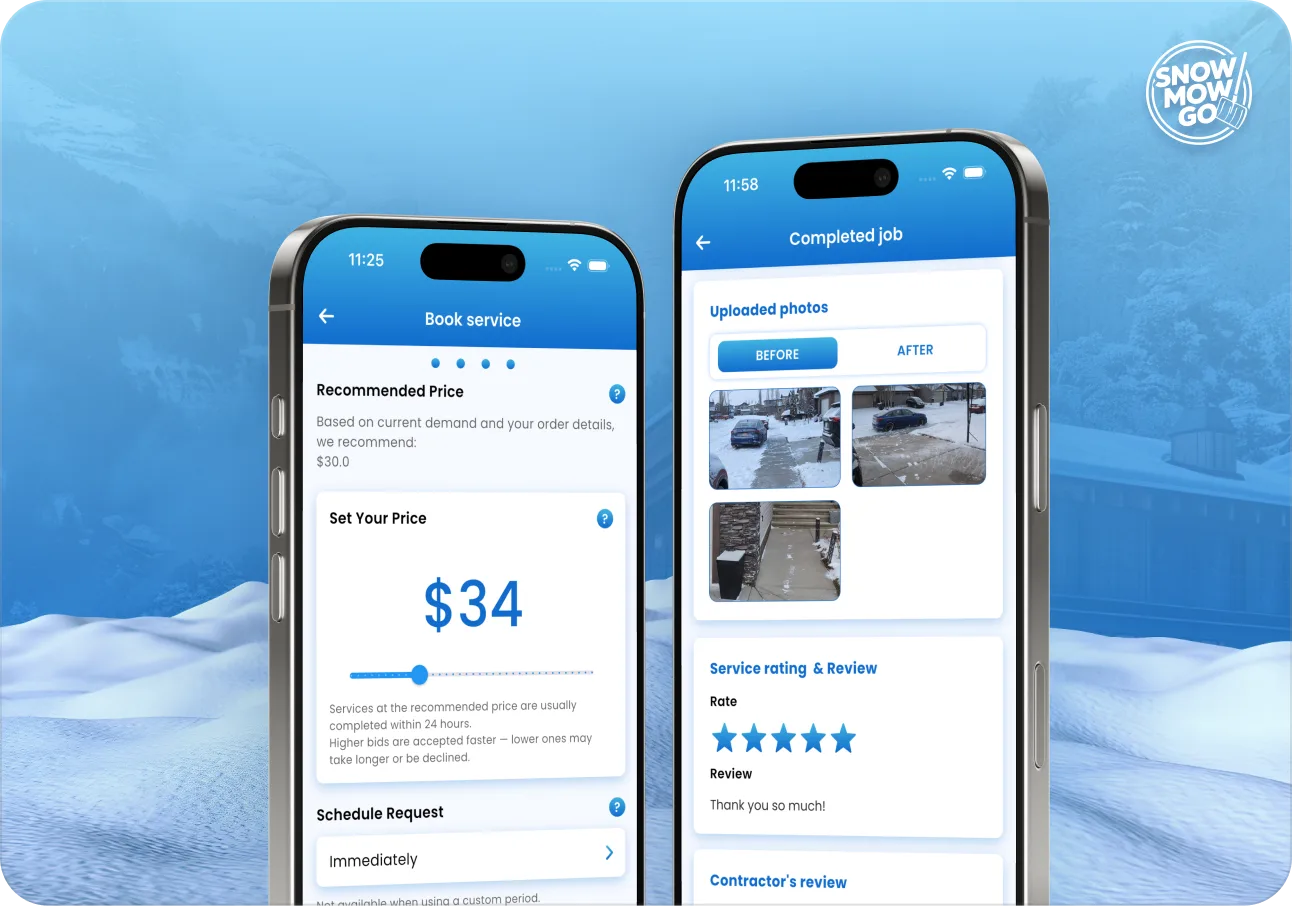
These have opposite requirements, and trying to build them with one tool is where most SaaS sites go wrong. I have shipped both halves: a proxy management platform on React with a Python Django backend, a partner-acquisition CRM, an on-demand services platform, and product landing pages that sell software with no photography to lean on.

Discuss project

What is different here

01

The product and the site are different builds

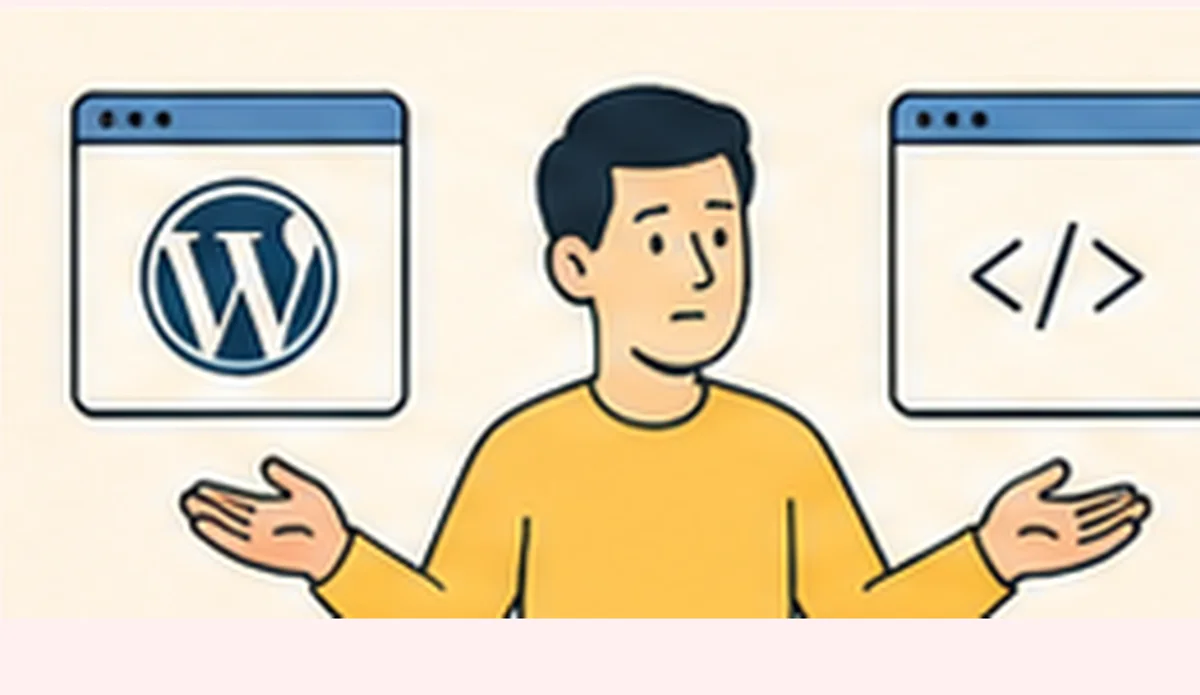
The application needs state, roles and a codebase that survives complexity. The marketing site needs speed, content and SEO. Running a WordPress site alongside a custom app is a sound architecture, not a compromise.

02

Selling software with no photography

There is nothing to shoot. The interface itself has to carry the pitch, which means the product visuals, the way you name features and the order you introduce them are the entire design problem.

03

Roles and states, not pages

An admin, a paying customer and a trial user see different things. That is decided at the architecture level, before anybody opens a design tool.

04

Integrations are the real scope

Payments, auth, external APIs and analytics. Each one is a dependency with its own failure modes, and they are what separates an eight-week build from a sixteen-week one.

What a build includes

  • Product interface on React or Next.js, with roles and states designed before the visuals
  • Backend integration — Django, Node or your existing API
  • A separate marketing site that your team can edit without a developer
  • Product visuals built from the real interface, populated with realistic data
  • Payments, authentication and third-party integrations connected and tested
  • Analytics and conversion tracking wired up before launch, not after

Mistakes I see most often

  • Building the marketing site inside the application, so every copy change needs a deploy

  • A homepage that describes the technology instead of the problem it removes

  • No pricing on the site, which filters out serious buyers rather than protecting you from tyre-kickers

  • Screenshots of an empty product with no data in it

  • Signup that asks for a company size and a phone number before anyone has seen the thing work

  • Treating the dashboard as a design exercise instead of the place users spend all their time

Have a project in this field?
Let's talk about it

Tell me what the site has to do. You get an honest range the same day.

IconDiscuss project
decor

Questions

Yes — that is the common case. I build the interface against your API and we agree the contract up front. If the API does not exist yet, I can build it in Django or Node.

Almost always, and it usually saves money. Your team editing copy in a CMS costs nothing; a developer deploying every wording change costs every time.

Eight to sixteen weeks depending on integrations, and it is delivered in stages rather than as a single launch. A landing page for the product is one to two weeks on its own.

A product landing page starts around $800. A platform with a real backend, accounts and integrations starts around $2,000 and reaches $6,000+ once there are several integrations and roles.

Further reading