
General
 September 2026
Why Is My Website Not Generating Leads? A Diagnosis in Order
Before redesigning anything, find out whether your problem is traffic or conversion. Most businesses guess wrong and rebuild the half that was already working.


Education and community projects sell things with a start date. A course, a retreat, a club, a term — each has its own price, length, format and capacity, and the popular ones sell out. That makes the schedule the storefront, and it is a harder thing to build than a product catalogue because every entry is shaped differently.
The second half is enrolment. In tutoring and course sales the person arriving is usually under time pressure, so an enquiry that captures deadline and stage lets the first reply already carry a price — which in a deadline-driven market decides who wins the client.
I built a Spanish academic mentoring service where the qualifying form is the first screen, a community platform running seven paid programme formats with checkout in euros and honest sold-out states, and a monastery site with a calendar that pulls its dates from another source automatically.
Price, duration, format and capacity per entry, plus an honest sold-out state instead of a booking form that fails at the last step. This is a product model, not a list of announcements.
Asking about deadline and current stage costs the visitor two clicks and lets your first reply be specific and priced. That is often the whole competitive advantage.
New dates, new prices, new programmes, cancellations. If publishing an event needs a developer, the site is out of date within one season.
Each course or service has its own search demand. A single page listing everything ranks for nothing; a page each ranks for what people actually type.
A schedule with no prices, so nobody can decide without writing to you first
Sold-out programmes still accepting bookings, which costs you the person permanently
One page listing every course, ranking for none of them
An enquiry form that collects a name and nothing that helps you answer usefully
Dates maintained by hand in three places, so they disagree by the second month
No archive of past events, throwing away the proof that the thing actually runs
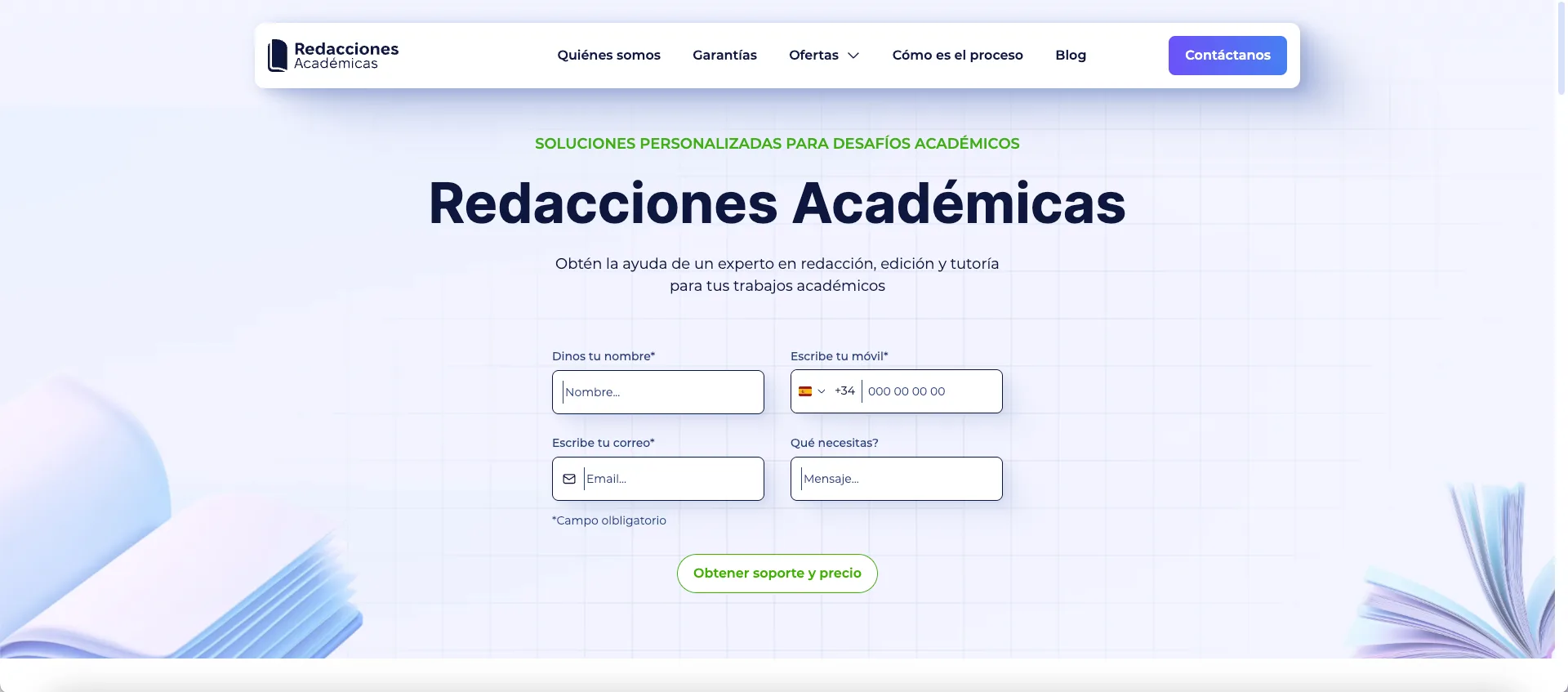
Capture a deadline-driven enquiry on the first screen, already qualified
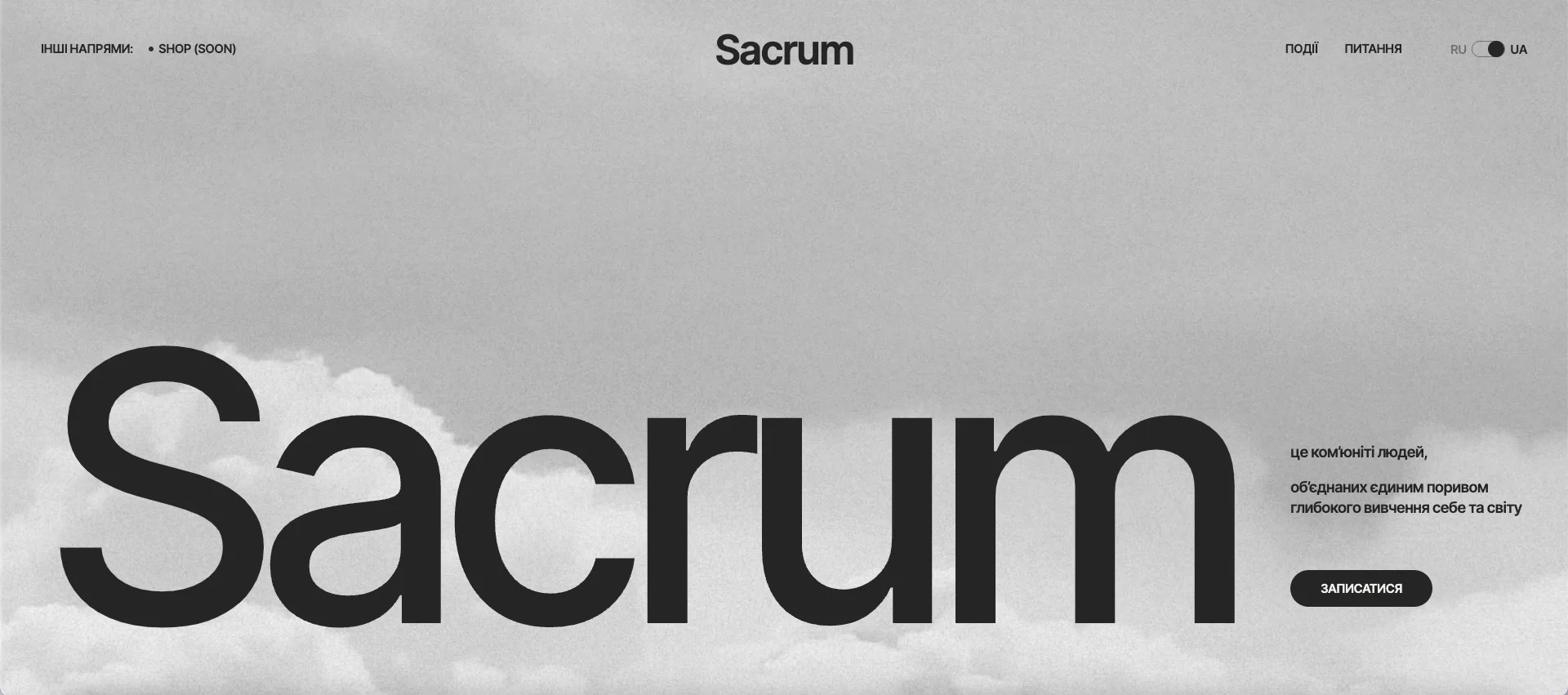
Make a schedule of paid programs work as a storefront, not an announcement board
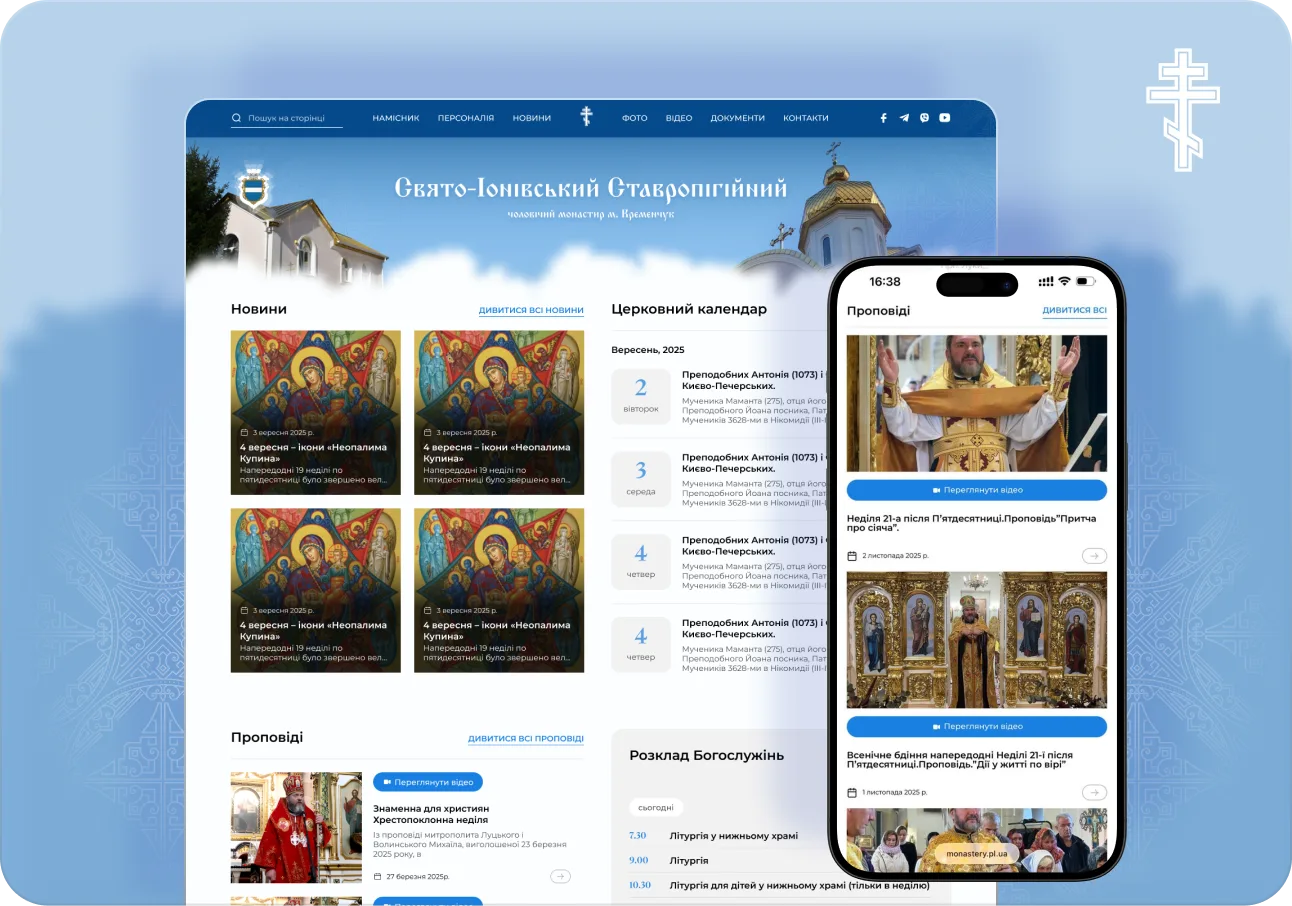
Make News Website for Monastery on Wordpress

Full-service website development includes: design, HTML coding, admin panel development, and SEO optimization. Ongoing website support is also provided. Check more inside.

Professional blog development tailored to your brand — fast, responsive, and SEO-optimized for growth.
Professional content management for websites, blogs, and social media — from strategy to publication. We create content that drives real business results.
Tell me what the site has to do. You get an honest range the same day.
 Discuss project
If programmes have fixed prices and limited places, take payment — it is what makes the sold-out state meaningful. If every enrolment is negotiated, a qualifying form is the better tool.
Yes, and you must. Dates and prices change every season; a schedule that needs a developer stops being accurate almost immediately.
Yes. On the monastery project the dates are parsed from an external source automatically, so nobody retypes them and they cannot drift out of sync.
A course or programme landing page starts around $600-800. A full site with an events model, payments and a page per programme is typically $1,500-2,800.
September 2026Before redesigning anything, find out whether your problem is traffic or conversion. Most businesses guess wrong and rebuild the half that was already working.
 September 2026
Two to ten weeks, depending on type. But the calendar is decided less by development speed than by how fast decisions and content come back from your side.