General
 September 2026
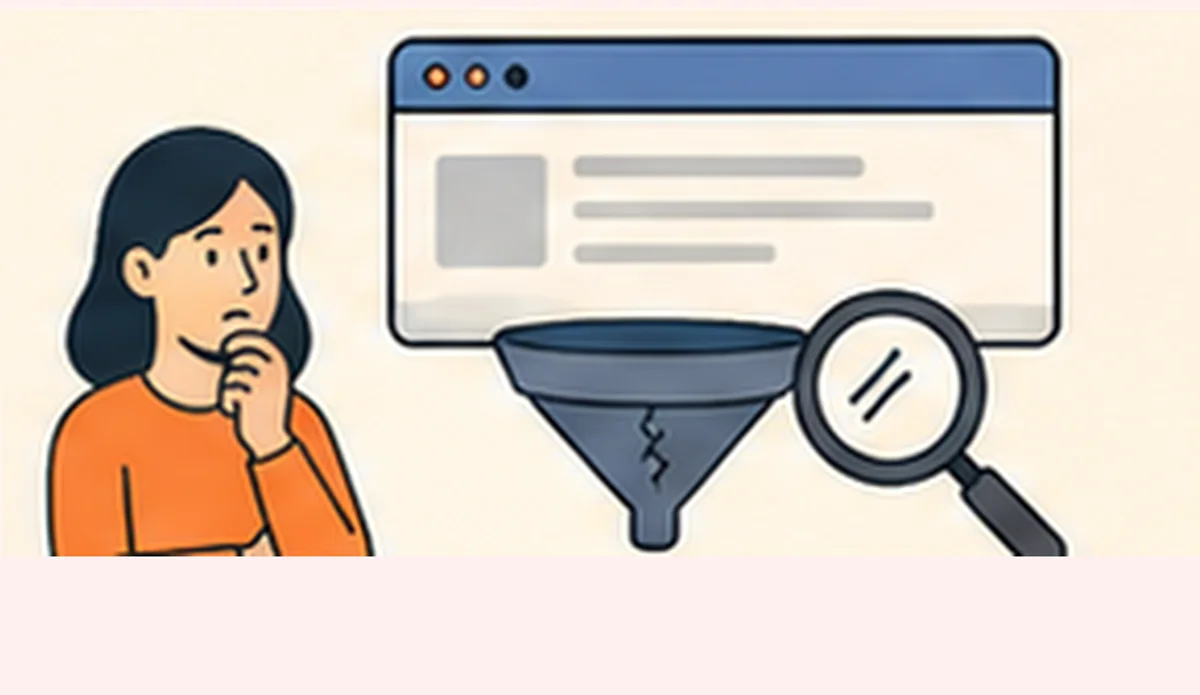
Why Is My Website Not Generating Leads? A Diagnosis in Order
Before redesigning anything, find out whether your problem is traffic or conversion. Most businesses guess wrong and rebuild the half that was already working.


Healthcare is the one vertical where the visitor's emotional state is part of the brief. Someone reading a therapist's or a doctor's site is often worried, unsure whether they need help at all, and looking at several specialists in the same session.
That changes how everything is written. Services get named the way a person experiences the problem, not the way a professional classifies it. Credentials get shown as evidence rather than asserted as adjectives. And the questions people are embarrassed to ask get answered before they have to ask them.
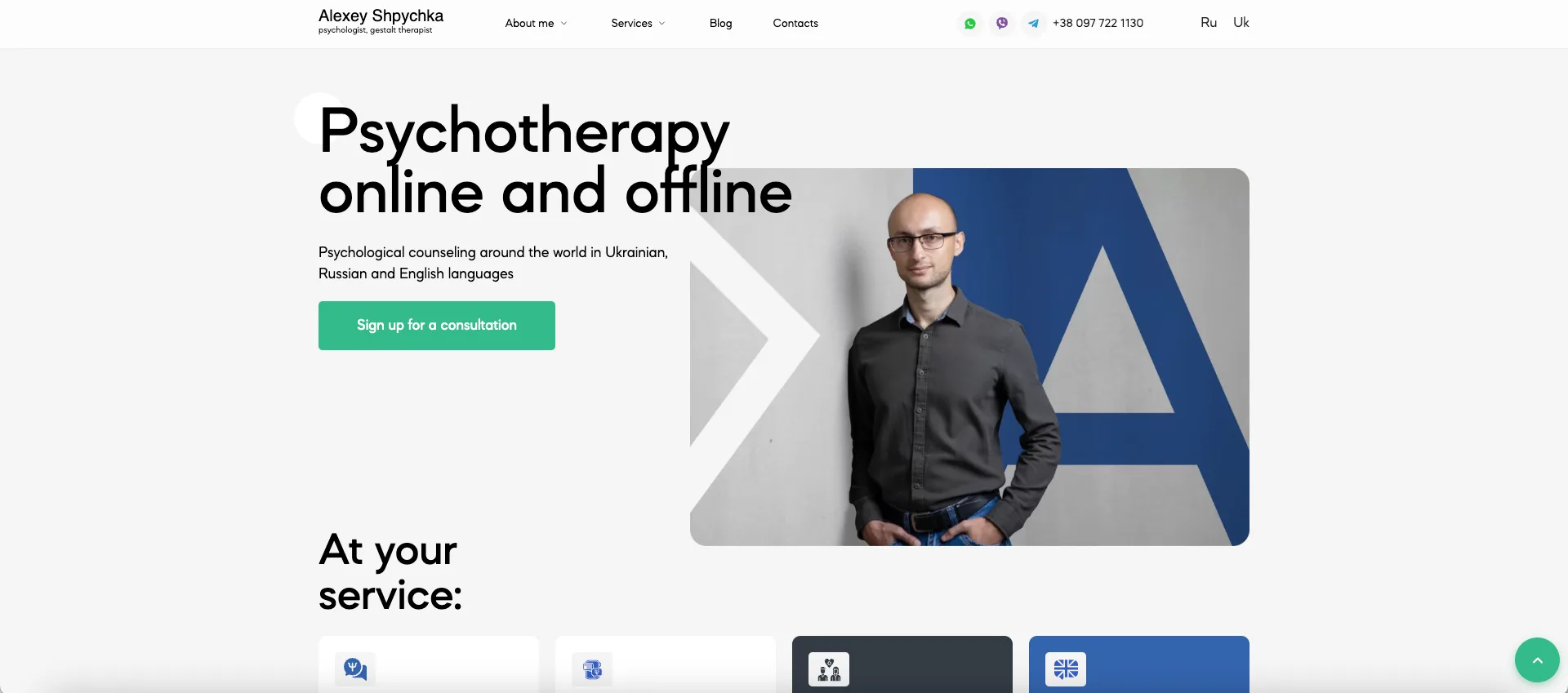
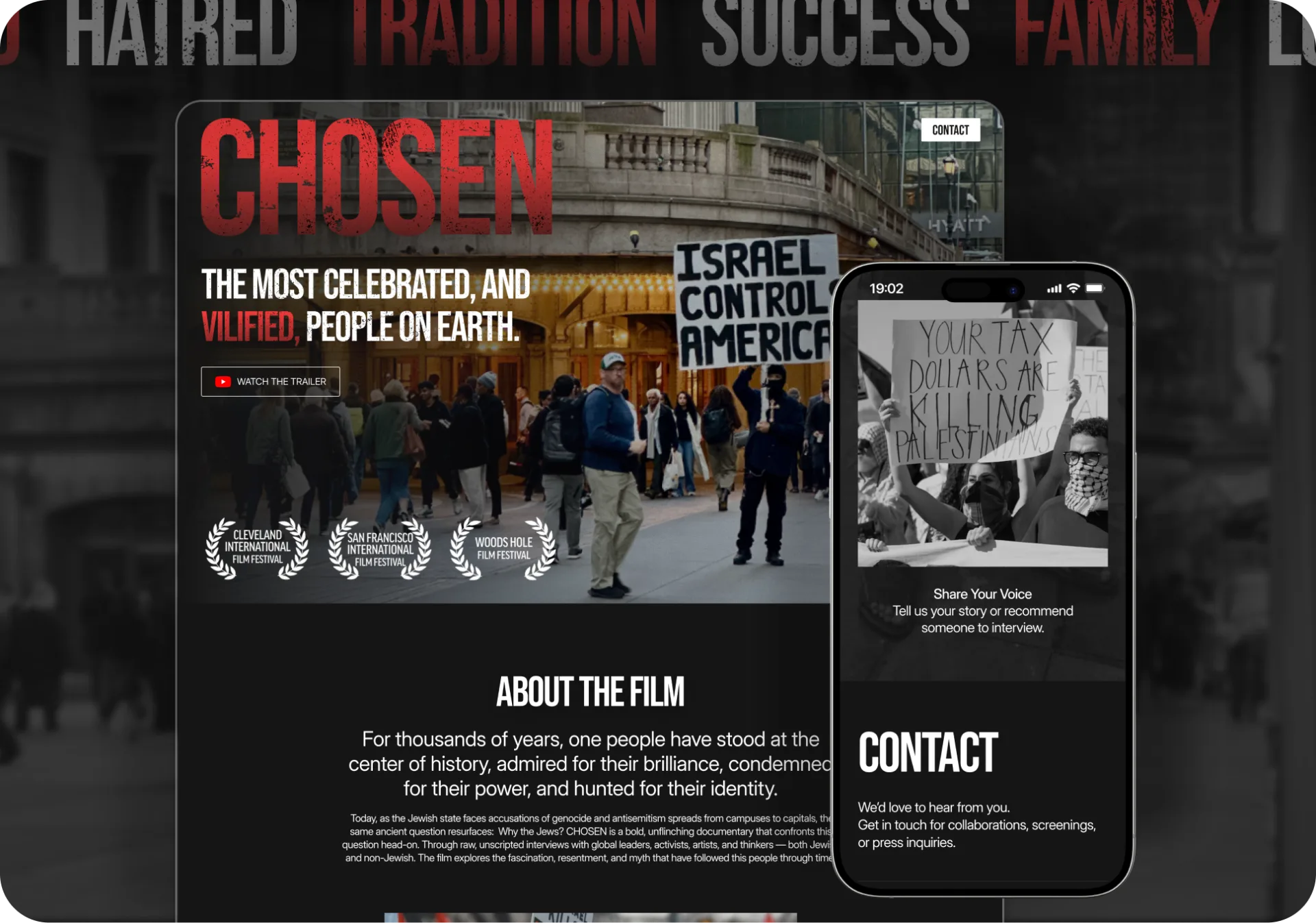
I built the site for a psychologist and gestalt therapist practising online and in Plzeň in three languages, and a conversion-focused landing page in the medical field.
People search for what they feel, not for a clinical category. A separate list of conditions and symptoms lets someone recognise their own situation without knowing any terminology.
A certificate gallery, association accreditation and a real biography do more than any paragraph about experience. This audience is specifically looking for reasons to believe you.
Confidentiality, qualifications, how often sessions happen, what it costs, what happens if the connection drops. A FAQ that covers the awkward questions removes the reason to hesitate.
Someone who has finally decided to ask for help should never have to use an unfamiliar channel. Phone, email and messengers, on every page.
Writing in clinical language the patient does not use and cannot search for
Claiming years of experience without showing a single certificate
No prices anywhere, which reads as something to hide in a field built on trust
A booking form as the only action, when many people will only use a messenger
Stock photography of models in white coats instead of the actual practitioner
No answer to "what happens in a first session", which is the real question

Full-service website development includes: design, HTML coding, admin panel development, and SEO optimization. Ongoing website support is also provided. Check more inside.

Professional blog development tailored to your brand — fast, responsive, and SEO-optimized for growth.

Get expert guidance on digital strategy, web or app development, and optimization to plan your project effectively and make informed decisions.
Tell me what the site has to do. You get an honest range the same day.
 Discuss project
Yes, or at least a range. In a field built on trust, hidden pricing reads as something to hide, and it filters out exactly the serious enquiries you want.
It can, and it should also offer a messenger. The form converts people who are ready; the messenger converts people who are still deciding, and in this field that is most of them.
If you see clients in more than one language, yes — and it is a full duplicate of the structure, not a translation plugin bolted on at the end.
A focused single practitioner site starts around $800. A full multilingual site with services, credentials, blog and booking is typically $1,700-2,500.
September 2026Before redesigning anything, find out whether your problem is traffic or conversion. Most businesses guess wrong and rebuild the half that was already working.
 August 2026
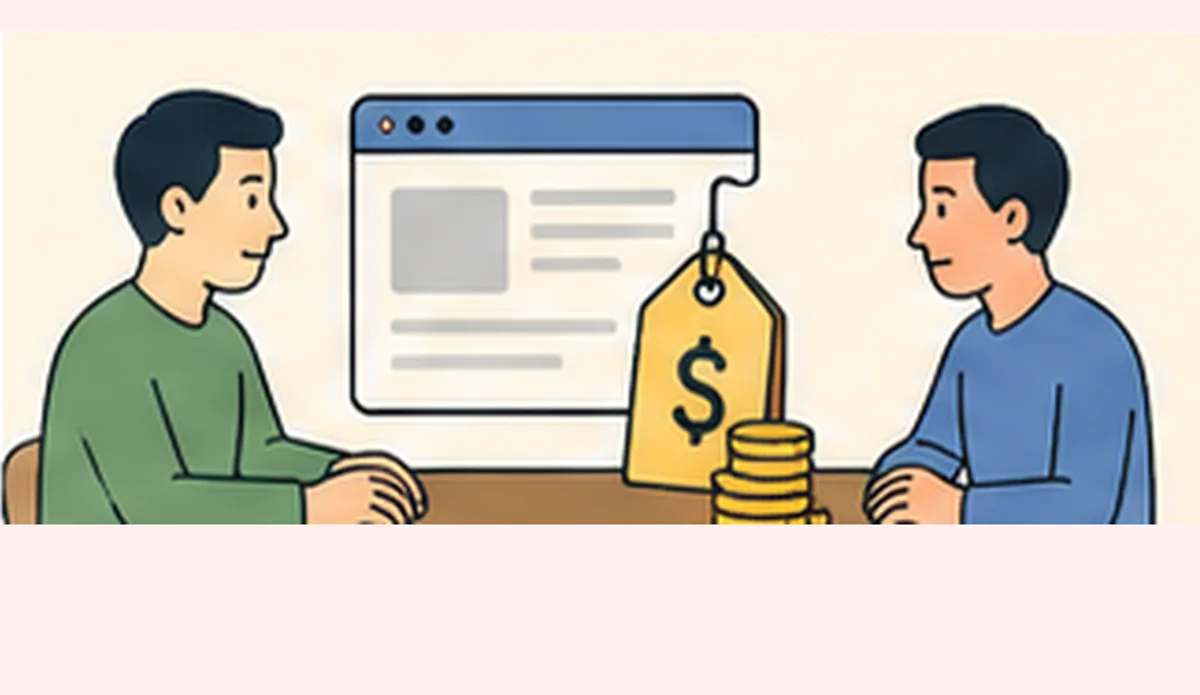
Most quotes are a range because most briefs are a guess. Here are the real bands from projects I delivered, and the four things that actually decide where you land in them.